
How to Vet a Bond Cleaner Before You Book (and Get Your Bond Back)
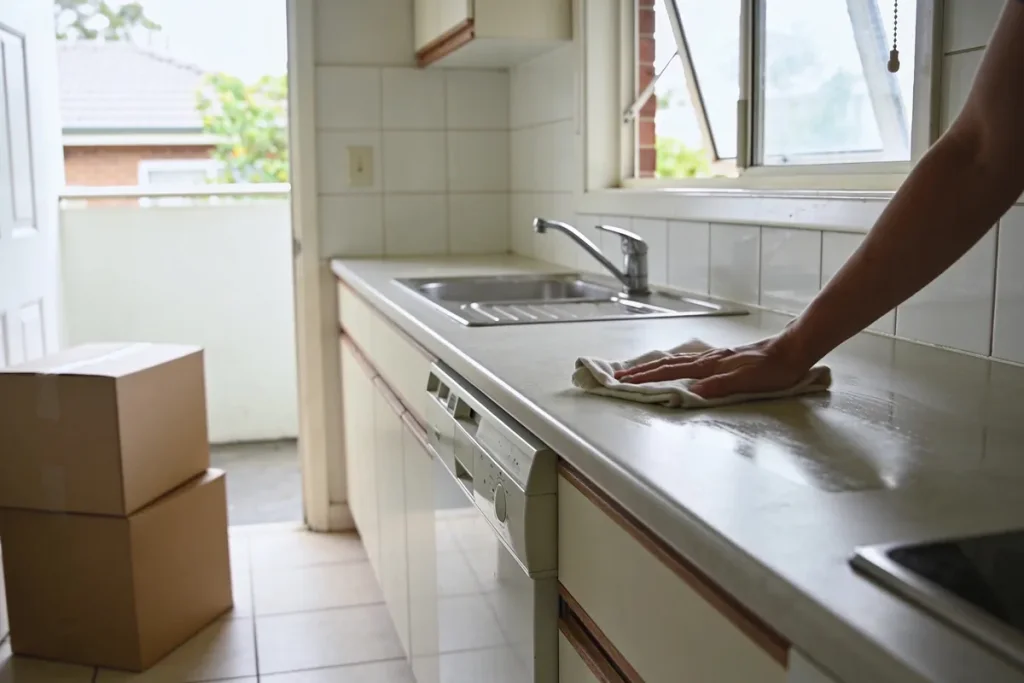
The part nobody tells you about moving out
Let me guess where you are right now. The boxes are half packed, the kettle is somewhere you cannot reach, and there is an email from your property manager sitting open on your phone. Somewhere in it is usually a line that sounds helpful and lands with a thud: they know a cleaner they use all the time. It might be a perfectly good cleaner, or it might be the first moment you feel your bond quietly slipping out of your hands.
That feeling deserves naming before anything else, because it is common and it is not a sign you are out of your depth. The bond is your money sitting with a state authority until the inspection says the place is up to scratch, so a small dread that a smudge will cost you a couple of hundred dollars is not dramatic.
Here is the comforting part, and it rests on more than hope: the process is learnable. The standard you are cleaning to is not a secret, and the questions worth asking are a short list, not an endless one. Most renters come through fine when they know both. No honest person can promise that every bond comes back in full, and anyone who does is selling something. But work through the steps here and the odds are far better than the dread suggests.
One quick note before you go on. This is general information, not legal advice. Your lease and the tenancy rules where you live are the final word, and if anything here reads differently from them, they win.
First, know the standard you are cleaning to
Every cleaning dispute, every chipped bond, every frustrated email comes back to the same question: what standard were you expected to meet? Australia’s residential tenancy laws answer it the same way in most states and territories: you hand the property back in the condition it was in when you moved in, reasonable wear and tear excepted. Some states call that ‘reasonably clean’, and it is worth checking your own state’s wording.
Two documents set the bar in practice.
The first is your condition report: the photos and notes taken when you moved in, and the best description you will ever get of the condition the property was in. If it shows a scuffed skirting board or a marked wall on day one, that is your starting point, and you cannot fairly be asked to return the place in better shape than that. If you never received a copy, or never looked at it closely, dig it out now.
The second is your lease. Most leases say little about cleaning. Some name specific jobs, most commonly carpet cleaning or a professional clean at the end of the tenancy. A clause like that only binds you if it is genuinely in your lease and it is reasonable. A lease that asks for the carpets to be professionally cleaned because they were professionally cleaned for you is one thing. A lease that demands a full professional clean of a property handed over grubby is harder to defend. If a clause looks unfair, a calm call to your state’s tenancy authority beats a panicked booking.
Bond cleaner or DIY: which is it going to be?
The question nearly every renter asks, and the one that splits opinion fastest, is whether to do the clean yourself or pay someone. Both paths can end with your full bond back.
Cleaning it yourself works. Renters do it every week, and plenty get their bond back in full. It is a sensible option when the place is small, the condition report is modest and you have the time. If you have the energy to work through a checklist room by room, you can save the cost of a professional clean.
A professional earns the fee in a handful of situations. Ovens and rangehoods are the classic example, because years of baked-on grease do not shift with a sponge, and inspectors know exactly where to look. Carpet steam cleaning is another, because most renters do not own a machine and hiring one costs most of the price of having it done. Mould in bathrooms, especially in the grout and silicone, is a third. Add a demanding condition report, a picky property manager, or simply no time, and the professional starts to look sensible.
The decision belongs to you, and it should come from the facts of your place and your diary rather than from fear. A professional clean is a cost, and it earns its keep when it protects a much larger bond. A careless ‘professional’ clean can cost you twice, once for the fee and again at the inspection, which is why who you book matters as much as the clean.
How to vet a bond cleaner before you book
Now for the part where you take control. A good bond cleaner will pass the checks below without blinking. A poor one tends to show up early in the conversation, and it is far cheaper to find that out before you pay than after.
Start with the quote, and ask for it in writing and itemised. A line that says ‘bond clean, $380’ tells you very little. A proper quote names the rooms and the jobs, and you can hold the cleaner to it on the day. A cleaner who will only quote a lump sum over the phone is a reason to keep asking.
Ask them to price against your condition report. A cleaner who asks to see it is showing a good sign, because it means they understand the job is meeting a documented standard, not just making the place look nicer. A cleaner who says ‘can you send me your condition report?’ has told you a lot in one sentence.
Ask what happens if the agent knocks back the clean. Plenty of bond cleaners advertise a re-clean or bond back guarantee, and it is only worth something in writing, with the who and the when named. ‘If there is a problem, we will come back’ over the phone is worth little. ‘We will return within two days of a written complaint from the agent, at no extra cost’ is worth a great deal.
Ask whether the crew work for the business or are brought in for the day, and whether the business is insured. If the crew are not the people you booked and there is no insurance behind the job, you have little recourse if something is damaged or the work is poor.
Confirm how you pay and make sure you get a receipt. You will want it when you claim your bond.
Then shortlist local businesses with a real address and a phone that gets answered, and read their reviews with a grain of salt. One angry review is not a pattern; five mentioning the same problem is. Local cleaning businesses are listed in local business directories, a fine place to build a shortlist, but the checks above are what turn a name into someone you can trust with your bond.
What a proper end of lease clean includes
Below is what a proper end of lease clean covers. Hand it to a cleaner or work through it yourself. Every item is written against the condition report, so the list stops at the jobs that matter rather than every possible polish.
Kitchen
- oven interior, door glass and racks
- rangehood filter and the surface around it
- stovetop and the edges around the burners
- benchtops and splashback
- inside cupboards and drawers, not just the fronts
- sink, taps and the rim around the sink
Bathroom and laundry
- mould on grout and silicone, especially in the shower
- shower screen and the shower recess
- taps, basin and vanity
- toilet, including behind the base
- exhaust fan, and the lint filter in the laundry
- inside the laundry tub and around the washing machine
Living areas and bedrooms
- walls, for marks that will wipe off
- skirting boards
- light switches and power points, which inspectors do check
- inside wardrobes, shelves and drawers
- window tracks and sills
Floors
- vacuum and mop through every room
- carpet steam clean, but only if your lease requires it, so check the lease before you book it
The forgotten list
- balcony and any outdoor area
- garage or carport, if you have one
- front and back of every door
- flyscreen tracks
- light fittings and ceiling fans, if you can reach them
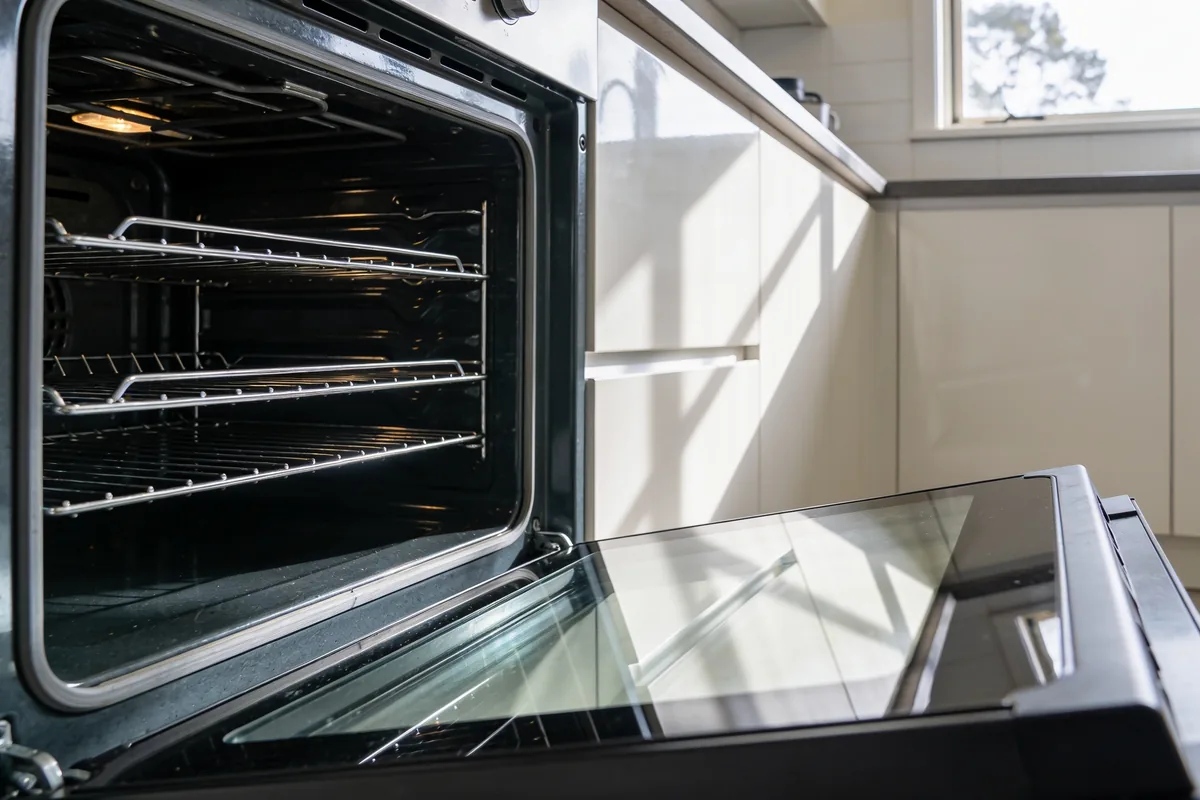
If that looks like a lot, remember each line is a place the condition report can be measured against. Tick as you go and keep the list. It is your own record that the clean was done.
Protect your bond on the day
The cleaning is done. Now comes the part that decides whether it was worth it, the handover. A little preparation here protects everything you have done so far.
Walk the property with your checklist before the cleaner leaves. It is far easier to ask for one more wipe while someone is still on site than to argue about it in a week. If you used a cleaner, do the walkthrough together, tick off the finished list, and only then hand over the keys.
Take your own time-stamped photos and a video walkthrough. This is not paranoia, it is evidence, and the closest thing you have to a second condition report. Photograph every room, including the inside of the oven and the bathrooms.
Keep the receipt and any written guarantee, with the cleaner’s details, in case the agent raises an issue the guarantee covers.
If the agent objects to specific spots, ask for the objections in writing and offer to have the cleaner return. This is where a written re-clean clause comes into its own, because you are not pleading, you are calling in a guarantee. An agent who will not put an objection in writing is often one who does not intend to chase it.
It also helps to know what the agent cannot do. An agent or landlord cannot simply keep your bond. In every state and territory the bond is held by the state’s bond authority, not the landlord, and released only by agreement or a formal claim. If you cannot agree, the dispute goes to the state’s tenancy dispute process, the tribunal or equivalent. The names and steps differ from state to state, so treat this as the shape of the system, not a how-to for yours.
Getting your bond back is the goal
So here is where it all comes together. The standard is learnable, and you now know it: the condition report and the lease set the bar, with ‘reasonably clean, fair wear and tear excepted’ running underneath. The checklist is the tool that turns a large vague job into tickable ones that match the inspection. And the cleaner who will not put their guarantee in writing is not your cleaner, no matter how warm the phone call felt.
If you take one action from all of this, let it be a gentle one. Put together a shortlist of two or three local bond cleaners, ask each of them the questions above, and book only when the answers line up. You are looking for someone who will price against your condition report, put the re-clean promise in writing and show up insured. Those three are what protect your bond.
Moving out is stressful, and the end of lease clean sits at the most stressful end of it. But it is a known process, and known processes can be managed. Know the standard, work the checklist, protect yourself on the day, and you give yourself the best possible chance of hearing the words every renter wants to hear: your bond has been returned in full.
Sources: NSW Fair Trading, renting, bond claims and the end of lease · Consumer Affairs Victoria, bonds and moving out, cleaning and condition · realestate.com.au, the renter’s guide to end of lease cleaning
