
A Chimney Sweep Cleans the Flue. Ask Who Checks the Structure, and Get It in Writing
 Tahlia Wrenwood
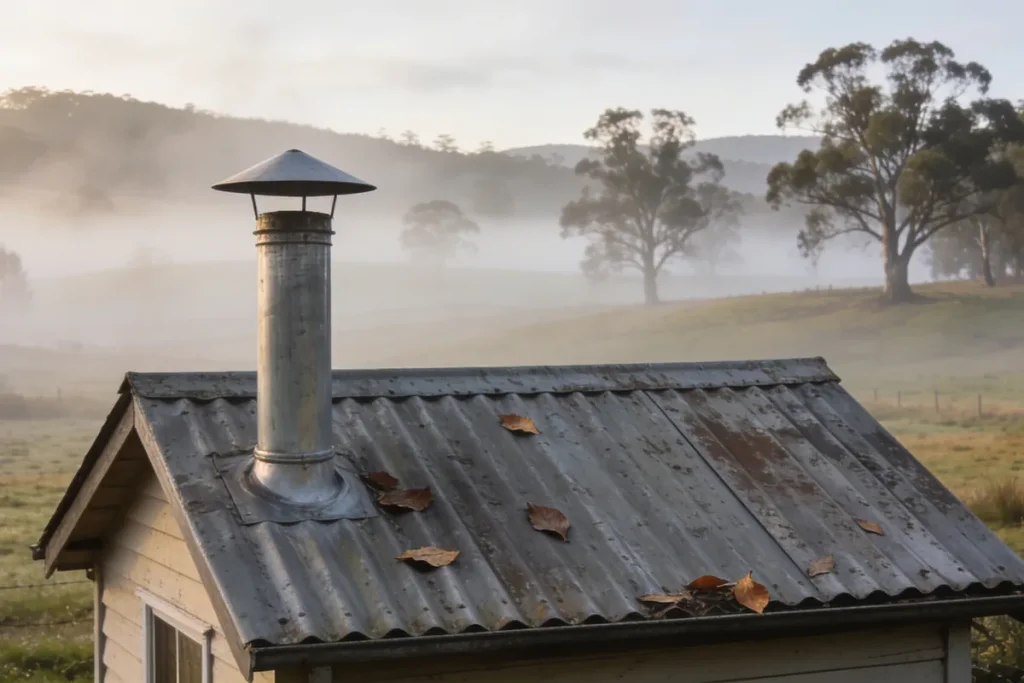
It is late August, and for people with a wood heater or fireplace, the last cold nights of the season are close. The chimney sweep is the job that slips off the list until the first cold evening of the next winter. It is a small job, and easier to sort out now than in the rush.
Here is the view this guide takes. A clean and a flue check are two different jobs that are often sold as one. So book a qualified sweep once a year, ask for both, and ask for what they found in writing. A sweep who does both in a single visit is a sound bundle. The point is to know that both happened.
The advice below comes from a state fire service, a motoring club and a fire authority, with one industry body noted where it adds something. None of it sets a licence, a certificate or a price for sweeps, so this guide does not either.
What the advice agrees on
Three sources are worth lining up side by side. They agree on more than they differ: once a year, by a professional, and for the same reason.
What the advice says
| Source | How often | Who | What it says |
|---|---|---|---|
| South Australian Country Fire Service (published 7 Feb 2025) | At least once a year, ideally at the start of winter | A qualified tradesperson, as the manufacturer recommends | Flues and chimneys inspected and cleaned so they are corrosion-free and have no soot or chemical build up |
| RACV (published 1 Jul 2025) | Annually | A certified professional | A professional removes soot and creosote build-up and checks the chimney is structurally sound |
| Country Fire Authority, Victoria (CFA, reported 11 May 2022) | Annually | Professionally cleaned | Creosote is a highly flammable black tar-like residue that can clog chimneys |
The reason behind all of it is creosote. The report of the Country Fire Authority’s advice describes it as “a highly flammable black tar-like residue” that can clog chimneys. The South Australian service says dirty or damaged flues, clogged chimneys and unmaintained heating systems can result in fires, and that house fires from poorly maintained heating are a regular response for its crews in regional South Australia. It also says the work should be done by a qualified tradesperson, as the manufacturer recommends.
None of this says a clean prevents every fire. What the sources say is that neglect raises the risk, and that a yearly visit is the way to keep it down.
A clean and a check are different jobs
“Get the chimney done” sounds like one task. The sources describe two, and the second is the one people tend to miss.
What each job covers
| Job | What it covers | Who does it | What you can do |
|---|---|---|---|
| The clean | Removing soot and creosote build-up, and cleaning the chimney cap (RACV) | A qualified or certified professional | Between visits, look for creosote or blockages with a torch before you light the heater (CFA) |
| The structural check | Checking the chimney is “structurally sound”, with a look for cracks in the firebox, flue and liner (RACV), and for corrosion (South Australian Country Fire Service) | The same professional, if you ask | Not something to attempt yourself |
| Extras for a stove | Cleaning the glass, emptying the ash pan, and checking seals and gaskets for damage (RACV) | Listed in RACV’s stove advice, which also says to have the stove professionally serviced once a year | Clean the glass and empty the ash pan yourself, and ask the sweep what a professional service of the stove includes |
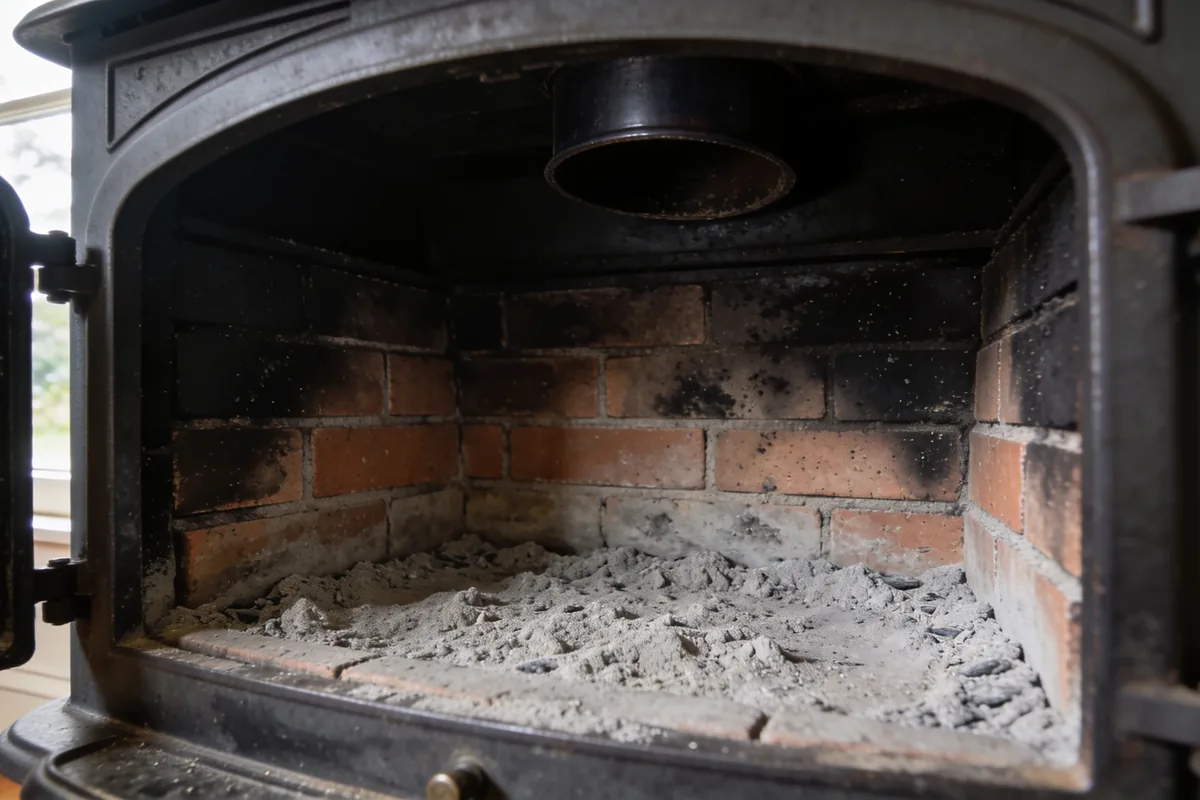
The clean takes out what has built up. The check looks at what is left standing: the firebox, the flue, the liner and the cap. A flue can be clean and still have a crack in it, so a clean on its own does not tell you the structure is fine. The South Australian service makes the same pairing when it says flues and chimneys should be professionally inspected and cleaned.
None of this makes a sweep who bundles both a problem. A visit that includes an inspection is a fair deal, and the advice does not ask you to book two tradespeople. It asks you to know which job you are getting, and a simple question at booking does that.
Start of winter or end of the season?
This is where the sources differ slightly. The South Australian Country Fire Service says to have chimneys inspected and cleaned at least once a year, ideally at the start of winter. RACV suggests the end of the season before summer, when there is less humidity in the air.
It sounds like a clash, but it is the same interval with a different preferred moment. Our ruling is that the interval is the thing, once a year, and either end of the burn season is a sound time. The start of winter gives you a clean flue for the first fire. RACV’s reason for the end of the season is that there is less humidity in the air then. If it has not been done this year, the point when you stop lighting the heater is a good moment, because nobody is waiting on a first cold snap. Whichever end you pick, do not leave it past the first fire.
The real mistake is skipping a year, not choosing the wrong week.
One more point comes from industry advice, so treat it as general guidance: an industry body suggests cleaning at least once a year, and more often if you use the heater almost every day. If yours runs most nights, mention it when you book and ask what the sweep would recommend.
What to ask before you book
You do not need a script. Six questions, asked in a friendly way, cover most of it.
Are you qualified, and in what? The South Australian service says the work should always be done by a qualified tradesperson, and RACV says a certified professional. It is fair to ask what that means for the person on your doorstep.
Is this a clean only, or a clean and a structural check? This is the question that separates the two jobs. Either answer is fine, as long as you know which one you are paying for.
Does the check cover the firebox, the flue, the liner and the cap? Those are the parts RACV names.
Will the cap be cleaned? RACV lists it as part of the clean, so it is worth confirming.
Will I get what you found in writing? A short note is plenty, and the next section says what to put in it.
What happens if you find damage? Ask for it to be explained, with what needs fixing and by whom. For anything big, a second opinion is a reasonable thing to want.
What to get written down
This part is our suggestion, not a rule. After the visit, a short note with six things is worth keeping. It can be an email, a line on the invoice or a page from the sweep’s own book:
- the date
- who did the work
- what was cleaned
- what was inspected
- what was found
- what needs fixing, and who will do it
Put it with the heater’s manual and paperwork, and next year’s visit starts from a better place. It also means that if a different sweep comes next time, they can see what was found before.
To make that concrete, take a hypothetical note for a freestanding wood heater, written in plain words rather than any official format:
- Date: the day of the visit.
- Done by: the name of the person who did the work.
- Cleaned: soot and creosote removed from the flue, and the cap cleaned.
- Inspected: firebox, flue, liner and cap.
- Found: no cracks in the firebox, flue or liner, and the cap clear.
- To fix: nothing this year, with the next visit due in twelve months.
Now say the check had turned something up instead. The “found” line would name the crack and where it was, the “to fix” line would say what needs doing, and it would say who will do it. If the repair is a big one, that written line is exactly what you would hand to a second tradesperson for a second opinion, and you would not have to rely on remembering what you were told on the day.
One gap is worth being straight about. The advice cited does not set a certificate or a licence for sweeps, and it says nothing about insurers. So we will not claim anything about what an insurer expects after a visit. If you want to know, read your policy wording or ask your insurer, and do not assume.
What you can do between visits
A few small habits help, though none replaces the professional check. The CFA suggests looking for creosote or blockages with a torch before you light the heater. It also says to burn only dry, clean wood, since green wood or treated timber makes creosote build faster, and to use a secure guard or fireproof screen. The industry body mentioned earlier says cleaning logs can help between professional cleans.
Gas heaters are a separate service on a different timetable: the CFA says a qualified technician should inspect and service them every two years.
While the heater is cold
Book the sweep, ask for the clean and the check, and keep the note with the heater’s paperwork. It is a small job, and it is easier to do while the heater is cold.
Sources: Chimney maintenance and home safety for winter, South Australian Country Fire Service, 7 February 2025 (https://www.cfs.sa.gov.au/news-media/news/latest-news/chimney-maintenance-and-home-safety-for-winter/); How to maintain your fireplace, RACV, 1 July 2025 (https://www.racv.com.au/royalauto/property/maintenance/how-to-maintain-your-fireplace.html); Time to check your chimneys, says CFA, Seymour Telegraph, 11 May 2022 (https://www.seymourtelegraph.com.au/news/time-to-check-your-chimneys-says-cfa/); An industry association’s guide to cleaning your flue, undated (archive copy of November 2025 carries the same text)