
How to Choose a Vet: What to Look For Before Your First Visit
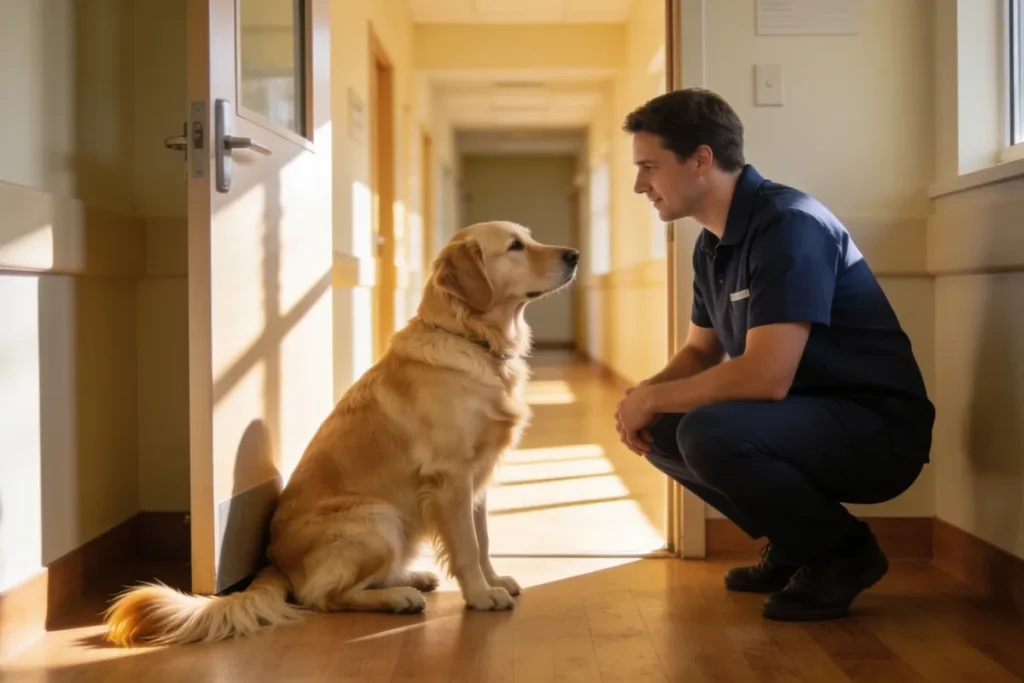
The best time to choose a vet is before you need one
There is a moment every pet owner knows. It is late at night, your dog is restless and breathing oddly, or it is a Saturday afternoon and your cat has stopped eating, and you realise you do not actually know who to call. Most people choose a vet in that frantic moment, with a phone in one hand and a worried animal in the other, and it is the worst time to make the decision.
If that has happened to you, you are in very good company. And if it has not happened yet, this article is for you, because the best time to choose a vet is before you need one.
Here is the reassuring truth. Choosing a vet calmly, on a normal day, is one of the kindest things you can do for a pet, and it is a much smaller job than it looks once you know what to look for. No vet is perfect, and no honest person will promise you one. But a little looking now means that when the worrying moment does come, you already know the number to call.
One line before we start. This is general information about choosing a vet, not veterinary advice. Your pet’s health is always a question for a real vet.
Start with the kind of care your pet actually needs
Before you compare clinics, it helps to be clear about the kind of care you are actually looking for.
Most pets need a solid general practice. That is the clinic for the routine stuff: vaccinations, check-ups, worming, the small worries and the annual health check. A good general practice is the backbone of pet care, and for most owners it is all they will ever need.
Some pets need something a little different. A cat who is terrified of dogs might do better at a clinic with cat-only hours or a calmer layout. A pet that is not a cat or a dog, like a rabbit, a bird or a reptile, needs a practice comfortable with exotics, and not every clinic is. And if your pet has a condition that needs specialist care, what you want is a general practice with good referral relationships, because that specialist care will usually come through a referral from your regular vet.
You do not need to solve all of this before the first visit. But naming the kind of care your pet needs makes the next step, choosing between local clinics, far easier.
What to look for when you visit
Now for the heart of it: what to actually look at when you visit.
Most people find their vet through a personal recommendation, and that is a good place to start. Someone you trust telling you that their vet is kind and explains things well is real information. But the recommendation is where you start, not where you finish, because the visit is where you confirm it.
Here is what to look at on a first visit or a tour.
- Cleanliness and smell. A clinic that does not smell clean will not feel clean, and a clean clinic is the baseline for everything else.
- How the staff handle the animals waiting. Watch a nervous dog or a grumpy cat being managed. The people who stay calm and gentle with a frightened animal are the people you want when your own pet is frightened.
- The consult room. Does it have a door, and does the vet wash their hands between patients? Both are small details with real meaning.
- How the vet talks to the animal, and to you. A vet who greets your pet first, then turns to you, is showing you the order of priorities.
- Whether they explain in plain language. A good vet tells you what is wrong, what the options are and what each one costs, without rushing and without jargon.
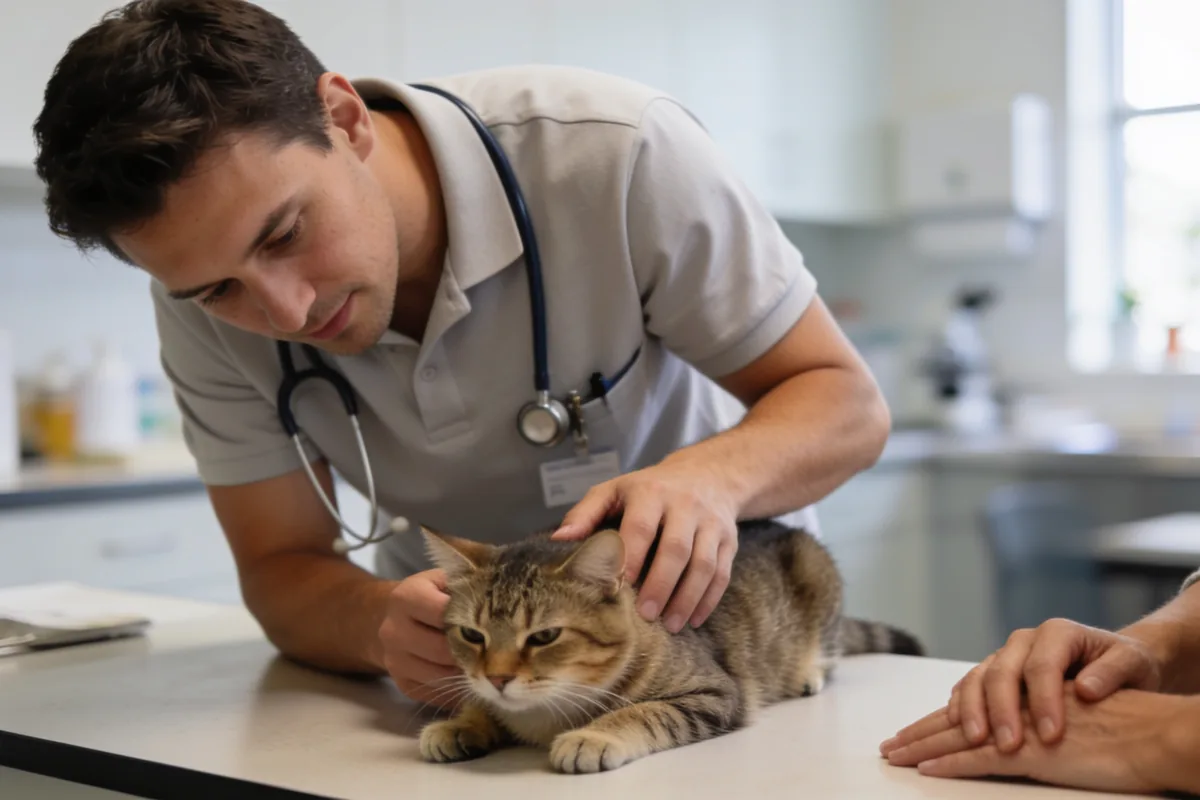
A practical way to approach the visit is to book something small for your pet first rather than asking for a tour. A nail clip or a weigh-in gives you a reason to be in the room and watch how the whole thing runs, without the pressure of a full consultation. You will see how the reception desk greets you, how long you wait, and how the vet handles a wriggly animal when the stakes are low. That is often a truer picture than any guided tour.
The gentle rule that ties it together: a good clinic does not mind questions, and it does not mind you looking. If a clinic is too busy or too guarded for you to see how it treats animals, that is information too. You do not need to be an expert to trust what your eyes and nose tell you.
Who will actually see your pet
The next question is who will actually see your pet once you are a client.
It is worth asking whether you will see one vet or a team. Some clinics match you with a single vet where they can, and others run a team where you see whoever is available. Both work, but they feel different. Your pet builds trust with a person, not with a sign on the door, so continuity has real value. A single familiar vet who knows your pet’s history and temperament is a comfort.
But a team has its own strength. When your usual vet is away, or it is urgent, a team means someone already knows your animal’s file. Ask who covers when your vet is on leave, and whether the clinic has separate vets for cats and dogs if that matters for your pet. The answer tells you what to expect on the days the usual person is not there.
Fees, estimates and the money conversation
Money is the conversation most of us would rather skip, and it is exactly the one worth having early.
Vet care costs what it does for an honest reason. The drugs, the pathology and the equipment are the same ones used in human medicine, and they cost about the same. The difference is that none of it is subsidised the way human health care is, which is why a vet bill can land like a shock. It is not that vets are getting rich; most are not, and the people who go into veterinary medicine are not doing it for the money. It is simply that good care is not cheap, and the cost lands on you rather than on a public system.
What you can do, calmly and early, is make the money conversation a normal one.
- Ask for a written estimate before treatment, not after. Anything beyond the routine should come with a figure you have seen first.
- Ask what the after-hours or emergency surcharge is before you need it, not at two in the morning.
- Ask about payment plans and pet insurance, and whether the clinic claims from insurers directly.
Pet insurance is worth a conversation in its own right, though it is a different decision from choosing a clinic. A policy can cover a good chunk of the big unexpected bills, which is where pet owners feel the financial strain most. If you are thinking about it, ask the clinic which insurers they deal with and whether they claim directly, because that convenience varies from practice to practice. And the right time to sort it out is while your pet is young and healthy, before a condition exists that a new policy will not cover.
The warm, firm line is this: a good clinic will happily tell you what something costs, and asking is normal, not embarrassing. A vet who makes you feel foolish for asking about price is not the vet for you.
Emergency cover: the question nobody asks until 2am
Emergency cover is the question nobody asks until the middle of the night, which is exactly why it belongs on the first-visit list.
After-hours care looks different from clinic to clinic. Some clinics run their own emergency hours. Many share a local emergency hospital or referral centre that takes over when the regular clinic closes. The arrangement does not matter as much as knowing what yours is before you need it.
So make it one of the questions on your first visit: ‘What do I do if my pet is sick at night or on the weekend? Which emergency vet do you use, and how far away is it?’
Then do the small thing that turns the answer into protection. Write the number on the fridge, or save it in your phone under your pet’s name. And put it somewhere more than one place, because a phone is no use if it is flat or you have left it in the car. A spare card in your wallet, and a copy with anyone who regularly looks after your pet, all do the job. The person holding the lead or the carrier at two in the morning may not be you, so make sure they know the number too.
That is the practical payoff of this whole article: when the worrying moment comes, you are not standing in the kitchen at two in the morning trying to remember which clinic the nice vet mentioned.
Making the call, then building the relationship
Once you have visited two or three local clinics, the decision is usually easier than you expect.
Choose the one where you felt heard. A vet who explained things in plain language, answered your questions without rushing and did not make you feel silly for asking about money is worth more than one with a shinier waiting room. And watch your pet. The clinic where your animal seemed least stressed, all things being equal, is a strong sign, because your pet is a better judge of a vet’s manner than any review.
Then build the relationship before you need it. Book the routine visit, the vaccination or the check-up, so the first time your vet meets your pet is not an emergency. A calm first meeting sets the tone for every visit after it. This is also the local discovery moment: vet clinics are exactly the kind of local business you will find in a local business directory, and a shortlist of nearby practices is a fine place to start the visits.
A vet you can call before you need one
So here is the goal, and it is closer than it looks: a vet you can call before you need one.
Choose calmly, before an emergency forces the decision. Look at how the clinic treats its animals and how it explains things to you. Ask about fees and emergency cover before you need them, and make the money conversation a normal one. Then book the routine visit first, so the relationship starts on a calm day rather than a frightening one.
If you take one gentle action from all of this, let it be this: shortlist two or three local clinics, visit or call each with the questions from this article, and pick the one where you and your pet both felt at ease. When the two-in-the-morning moment comes, and it may never come at all, you will already know the number. That quiet certainty is one of the kindest things you can give a pet, and yourself.
Sources: Australian Veterinary Association, choosing a vet and what to expect · State veterinary practitioners boards, for checking a vet’s registration · RSPCA Australia, pet care and finding a veterinarian